Anorexia and Bulimia

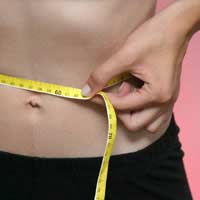
Anorexia nervosa (anorexia) and bulimia nervosa (bulimia) are perhaps the two most well known eating disorders today. Anorexics are known for their failure to eat, while bulimics display tendencies to overeat and then purge. While these actions are almost directly opposite, the similarity of these disorders is that they blossom from an inability to separate emotions from actions. Instead, anorexics and bulimics allow their emotions to control their eating to such a degree that they only feel comfortable when following their own food "rules." Unfortunately this comfort is extremely detrimental to their health, so anyone suffering from anorexia or bulimia must confront their disorder and seek help immediately.
Anorexia
Anorexia is an eating disorder in which sufferers becomes so afraid of gaining weight that they start to decrease the amount of food they will eat until they literally starve. Though most anorexics are female, there are males suffering from this disorder as well, and even when they are physically wasting away anorexics will perceive themselves as heavy and continue eating as little as possible. Without enough nourishment to sustain them, an anorexic's internal organs will begin to fail. Death can be, and sometimes is, the end result of anorexia.Bulimia
Bulimia is an eating disorder in which sufferers often consume far too much food in one sitting and then get rid of it either by vomiting or taking laxatives. This binging and purging becomes a cycle, though bulimics may never experience weight fluctuations obvious enough to make their disorders known. This constant binging and purging can damage the digestive tract, mouth, teeth and salivary glands, and may mean that the bulimic's diet rarely takes in enough vitamins and minerals to remain healthy.Warning Signs of an Eating Disorder
Most anorexics and bulimics are highly secretive about their eating disorders and will deny their behaviour if confronted. However, if you suspect a friend of loved one of disordered eating, it is best to gather "evidence" by observing:- If they gain or lose a lot of weight in a short amount of time.
- If they talk about food or weight often and/or negatively.
- If they know the calorie content of most foods.
- If they refuse to eat when others are around.
- If they have food rituals or routines when they eat with others.
- If they purchase excessive amounts of food, particularly when emotional.
- If you find an excessive amount of food packing in the rubbish bin.
- If they disappear to the toilet during or after meals.
- If they wear baggy, unflattering clothing.
- If their hair and nails become weak and/or split.
- If they feel faint or dizzy, particularly after being active.
- If they stick to a rigid, and often excessive, exercise schedule.
- If they feel cold often, particularly in their hands and feet.
- If their body produces a layer of fine, thin hair.
- If they experience trouble sleeping.
- If they often seem depressed, moody or lonely.
Confronting Anorexia and Bulimia
Those who suffer from eating disorders rarely want to discuss, much less admit to, their unhealthy habits. Though it will be frustrating, remember that confronting an anorexic or bulimic is the necessary first step to getting help. When you confront someone suffering from an eating disorder:- Know your facts. Research the suspected disorder thoroughly.
- Be gentle, kind and patient.
- Use your evidence and observations to back up your claims.
- Remain calm at all times. Never shout or accuse.
- Have a plan and suggest what you think should happen next.
- Persuade them that professional counselling and medical care is necessary.
Related Articles in the 'Physical Health' Category...
- Coping With PMS
- Understanding Migraines
- Girl Issues: Your Monthly Period
- Puberty and Your Changing Body
- Having a Healthy Teen Pregnancy
- Steroids
- Dental Braces
- Understanding Diabetes
- Understanding Acne
- Understanding Epilepsy
- Reducing Unwanted Weight
- Self Harming
- Straight Facts on Smoking
- Sleeping Difficulties
- Teens, Alcohol And Drugs
- Answering Some Common Questions About Cancer
I am very worried about my son who has anorexia. Since leaving hospital his condition is worse. He still will not admit he has a problem.
les - 15-Mar @ 11:14 AM

Re: Coping With Strict Parents
Im 14, and my family uses me as a maid. they add limits on everything, the make me feel ashamed, I took tests on depression, eating…
Re: Questionnaire: Am I Ready to Have Sex?
Helka poins milaser k112 teenissues.co.uk
Re: Coping With Strict Parents
I'm 14 and my parents are so strict they don't care that I am growing up and need to learn to be myself. Instead I go to bed at 7:30,…
Re: Coping With Strict Parents
Guys im 15 living with African parents ( Nigerian's to be precise) my dad took me and all my siblings mobile phone including my 19…
Re: Coping With Strict Parents
My mom , she always have rules in my life . I am 17 and this year gonna be 18 . My mom all the time taking my phone, checking my…
Re: Coping With Strict Parents
I'm already 17 and I'm in love to an 18yo girl with acute depression. When my parents found out, they are forcing me to stop all my…
Re: Coping with a Jealous Friend
The friends i keep are mostly male friends, because guys don't easily get jealous. My female friends always envy my life; for…
Re: Coping With Strict Parents
Yo guys, Im 10 and I just had an argument with my mom, now she won’t help me with my drawing homework and my other writing…
Re: Beauty Tips for Boys
.
Re: Coping With Strict Parents
So basically im 17 years old when i was 13 years i used to talk with a male who is 22 years! Because of my daddy issues ive gotten…